Be yourself; Everyone else is already taken.
— Oscar Wilde.
This is the first post on my new blog. I’m just getting this new blog going, so stay tuned for more. Subscribe below to get notified when I post new updates.
Be yourself; Everyone else is already taken.
— Oscar Wilde.
This is the first post on my new blog. I’m just getting this new blog going, so stay tuned for more. Subscribe below to get notified when I post new updates.
Hebal Plants are made from plants. They use combinations of plant parts, for example leaves, flowers or roots. Each part of the plant can have a different medicinal use. Herbal medicine aims to restore your body, so that it can protect, regulate and heal itself. It is a whole body approach. It looks at your physical, mental and emotional well being. It is sometimes called phytomedicine, phytoherapy or botanical medicine.
10 Herbal Plants That Can Cure Any Disease.
1. Tsaang Gubat/ Forest Tea (Scientific name; Ehretia microphylla or Carmona retusa)
—Tsaang- Gubat is registered in the Philippines’ Bureau of Foods and Drugs as a medicine for its proven therapeutic property. This herb is scientifically proven for its medicinal worth mainly its anti-spasmodic effect.
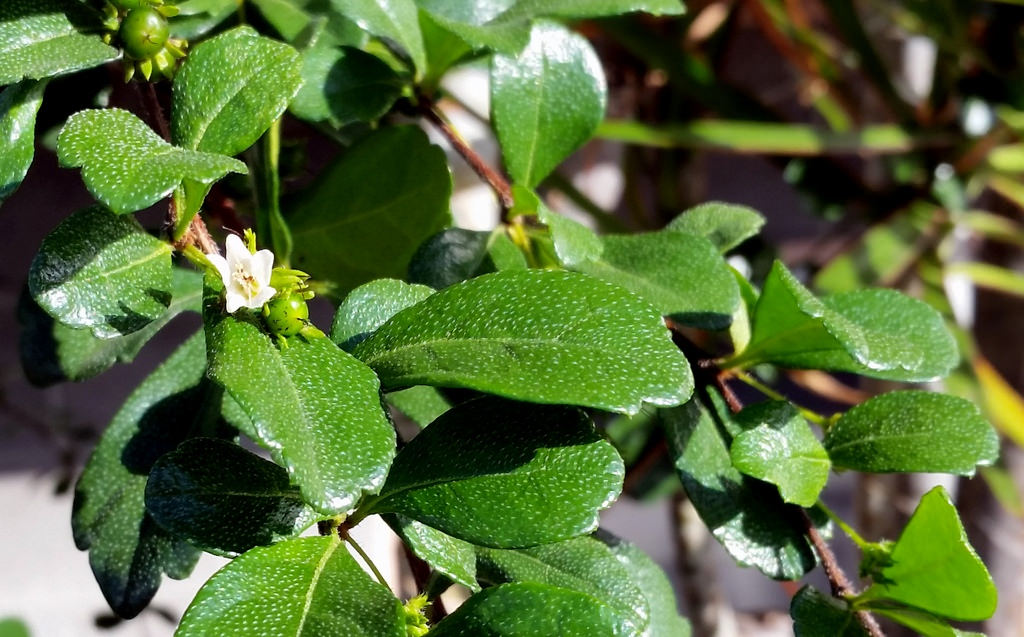
Uses of Tsaang Gubat
• as a disinfectant wash during childbirth, cure in diarrhea, and as a tea for general good health. Research and tests have proven the efficacy of Tsaang Gubat as an herbal medicine.
2. Lagundi (Scientific name; Vitex Negundo)
— is a famous herbal medicine in the Philippines because it has been widely used as a cure for coughs, not only for children but also for adults. Lagundi contains anti-inflammatory, anti-microbial, and analgesic property that are helpful in treating respiratory illnesses.
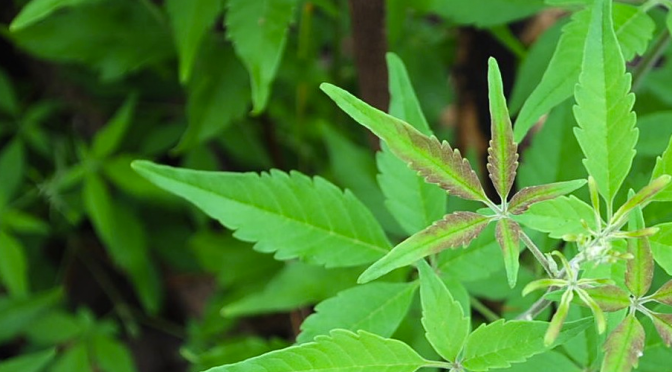
Uses of Lagundi
• are use to stop coughing, relieve asthma, facilitate the discharge of phlegm and to lower fever due to colds or flu. It is also a pain reliever for headache and toothache.
3. Oregano (Scientific name; Origanun Vulgare)
— Oregano is a culinary and medicinal herb from the mint, or Lamiaceae family. It has been used in medicine and cooking for thousands of years. It adds flavor, and it may have a number of health benefits. The name of the herb comes from the Greek words “oros,” meaning mountain, and “ganos,” meaning joy.
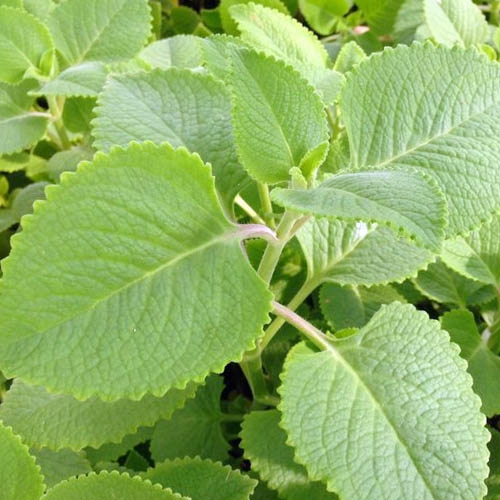
Uses of Oregano
• used in medicine and cooking for thousands of years. It adds flavor, and it may have a number of health benefits.
4. Ampalaya (Scientific name; Momordica Charantia)
— a rough-skinned, green-colored unripe fruit used in Asian cooking and for its medicinal properties.
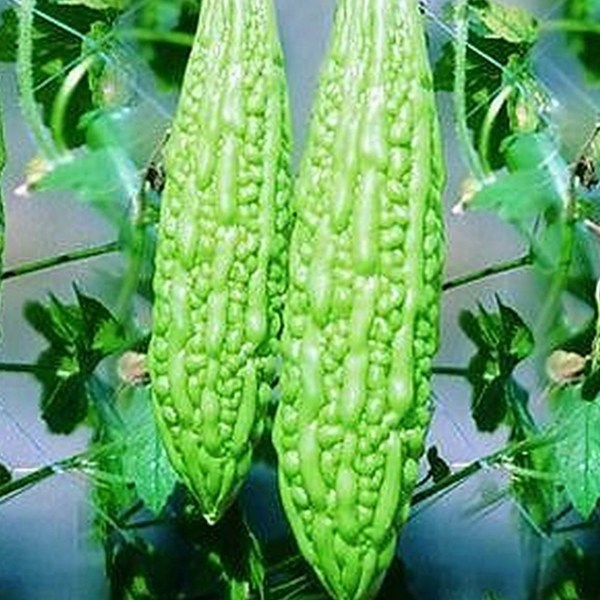
Uses of Bitter Gourd
•stimulates the immune system and also aids in digestion. Great for diabetes: Bitter gourd has a certain insulin-like protein called polypeptide P that mimics the action of insulin and lowers blood sugar levels in diabetic patients.
5. Saluyot (Scientific name; Corchorus Olitorius)
— any of various plants of the genus Corchorus having large leaves and cymose clusters of yellow flowers
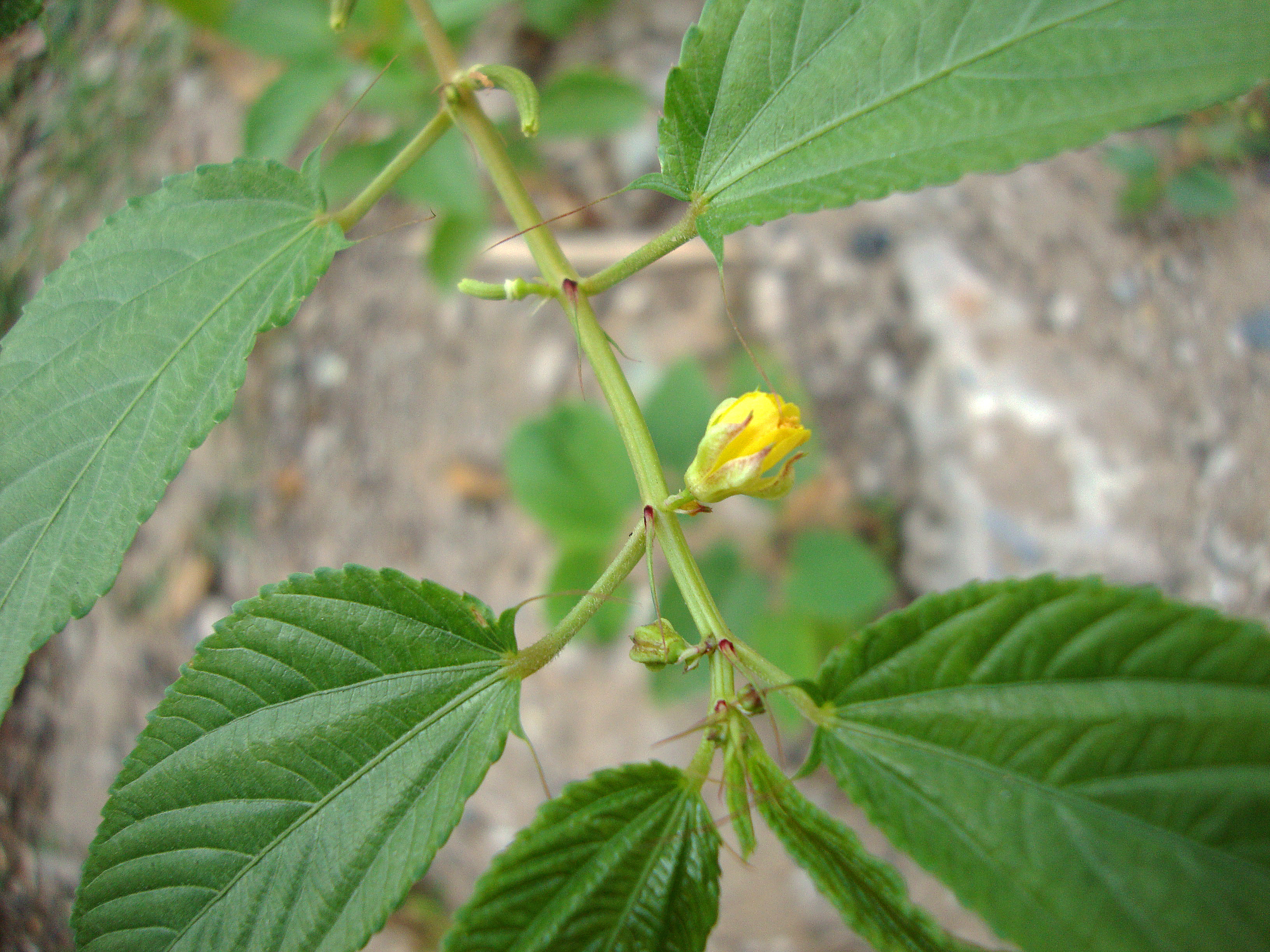
Uses of Jute Mallow
• Jute leaves are used as a food source in these regions; in fact, they are said to add a distinct flavour to food and also act as thickeners in soups, stews and sauces. Jute leaves are also known as saluyot, ewedu or lalo, depending on the region they are being cultivated or cooked in.
6. Lampunaya (Scientific name; Coeus Blumei Benth) — This is an erect, branched, fleshy, annual herb 1 m or less in height. Its stems are four-angled and purplish. The leaves vary in color, usually more or less hairy, ovate, and coarsely toothed at the margins. Flowers are terminal, purplish and numerous.
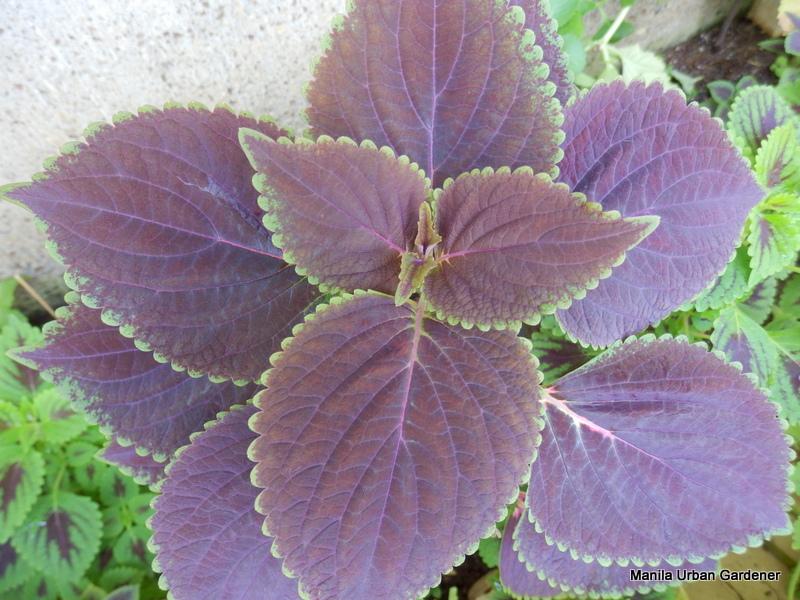
Uses of Manaya
• is one of the traditionally used folkloric medicine and is primarily used for pain, sore, swelling and cuts and in other instances as adjunct medication for delayed menstruation and diarrhea.
7. Makahiya (Scientific name; Mimosa Pudica L.)
— a tropical American plant of the pea family, whose leaflets fold together and leaves bend down when touched. A common weed of sugar cane, it has become naturalized throughout the tropics.
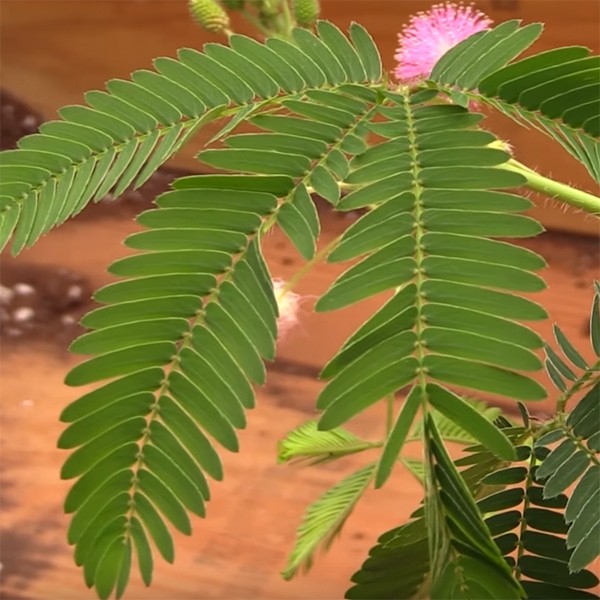
Uses of Sensitive Plant
• Use in Insect repellant, Epilepsy, plague, edema, and elephantiasis and Urinary tract infections and increased diuretic activity.
8. Luyang dilaw (Scientific name; Curcuma Domestia Valet)
— Turmeric is a flowering plant, Curcuma longa of the ginger family, Zingiberaceae, the roots of which are used in cooking.
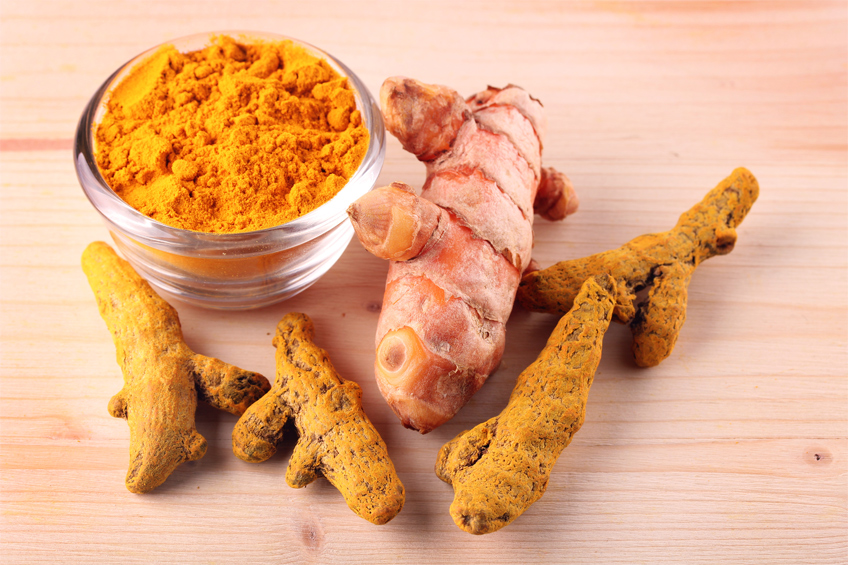
Uses of Turmeric
• its most active compound curcumin have many scientifically-proven health benefits, such as the potential to prevent heart disease, Alzheimer’s and cancer. It’s a potent anti-inflammatory and antioxidant and may also help improve symptoms of depression and arthritis.
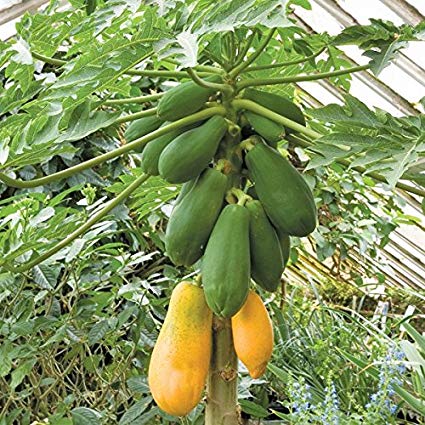
9. Papaya (Scientific name; Carica Papaya)
—tropical American shrub or small tree having huge deeply palmately cleft leaves and large oblong yellow fruit.
Uses of Melon Tree
• It can be eaten fresh when ripe or as vegetable (immature fruits), processed, preserved, or dried. The seeds are used as spice; the male flowers and young leaves are also edible when cooked. Papaya is also valued for its medicinal uses.
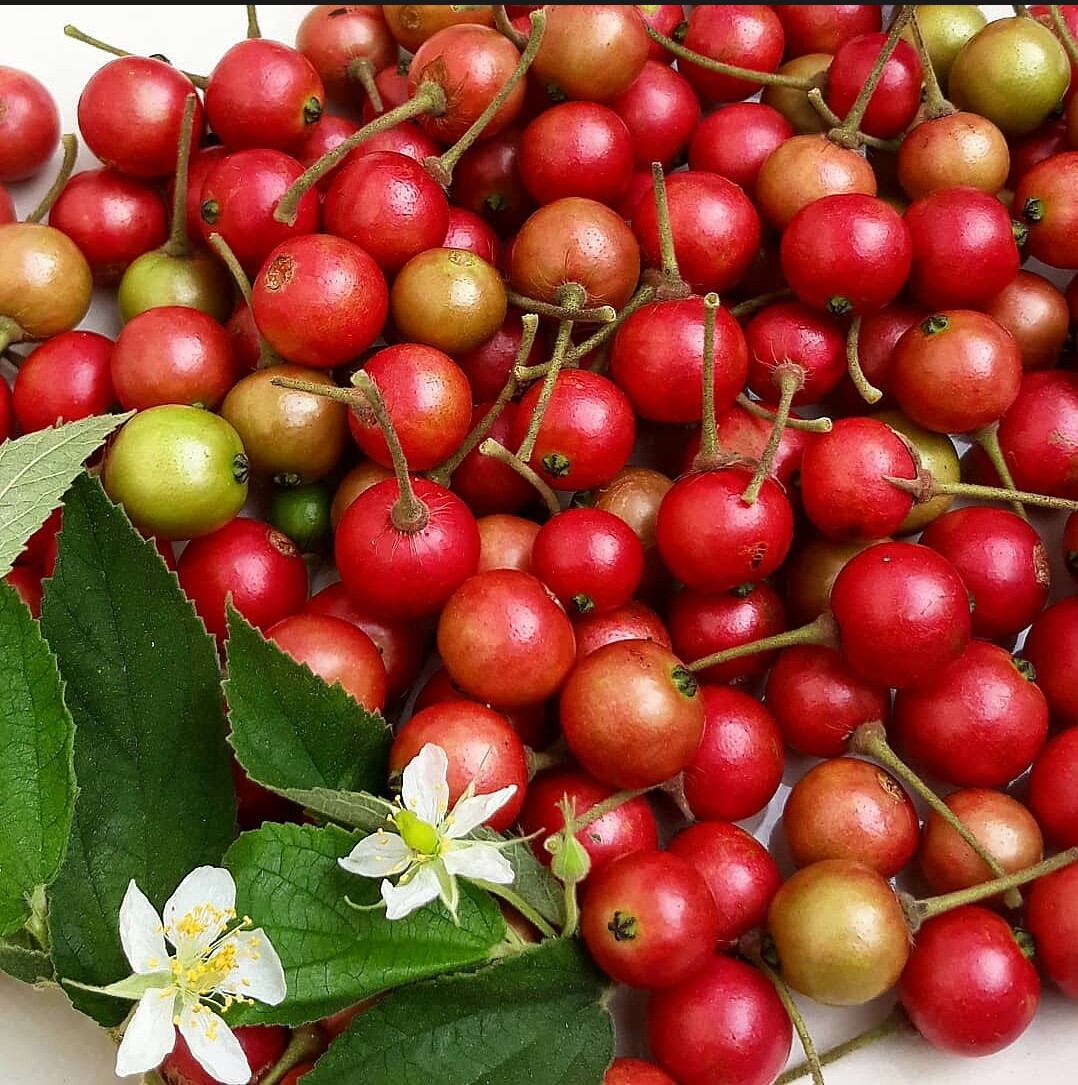
10. Sarisa (Scientific name; Muntingia Calabura)
—is a small tree measuring five meters to, at most, 10 meters high with spreading branches. That is why fruits are easily reached by children. … In India, the aratilis tree is grown in urban gardens and parking lots since it is a fast growing tree and it attracts fruit-eating birds such as woodpecker.
Uses of Sarisa Fruit
• use for lowering blood sugar, preventing cancer, promoting cardiovascular health, lowering blood pressure, and blocking pain.
This is an example post, originally published as part of Blogging University. Enroll in one of our ten programs, and start your blog right.
You’re going to publish a post today. Don’t worry about how your blog looks. Don’t worry if you haven’t given it a name yet, or you’re feeling overwhelmed. Just click the “New Post” button, and tell us why you’re here.
Why do this?
The post can be short or long, a personal intro to your life or a bloggy mission statement, a manifesto for the future or a simple outline of your the types of things you hope to publish.
To help you get started, here are a few questions:
You’re not locked into any of this; one of the wonderful things about blogs is how they constantly evolve as we learn, grow, and interact with one another — but it’s good to know where and why you started, and articulating your goals may just give you a few other post ideas.
Can’t think how to get started? Just write the first thing that pops into your head. Anne Lamott, author of a book on writing we love, says that you need to give yourself permission to write a “crappy first draft”. Anne makes a great point — just start writing, and worry about editing it later.
When you’re ready to publish, give your post three to five tags that describe your blog’s focus — writing, photography, fiction, parenting, food, cars, movies, sports, whatever. These tags will help others who care about your topics find you in the Reader. Make sure one of the tags is “zerotohero,” so other new bloggers can find you, too.

 Site Title